
Acid Reflux, Heartburn, and GERD: Foods to Eat and Avoid for Digestive Health
Do you feel a burning sensation or discomfort right after you enjoy a meal or when you lie down? Is it acid reflux, heartburn, or GERD? Let’s learn about the difference.
Acid Reflux, Heartburn, & Gastroesophageal Reflux Disease (gERD)
Acid reflux (also referred to as gastroesophageal reflux) happens when stomach contents travel from your stomach up to your throat through the esophagus, which is the hollow and muscular tube that connects them. Stomach acid can irritate and damage the lining of your esophagus which causes that feeling of discomfort and burning sensation.

That burning sensation in the chest that rises toward the throat is called heartburn which often occurs after we eat and can intensify when we lie down because acid flows more easily back into our esophagus.
What are the other common sensations and symptoms of an Acid Reflux?
- Regurgitation. This occurs when stomach contents flow back and reach the throat or mouth. This leaves an unpleasant sour or bitter taste.
- Chest discomfort. Often a burning sensation in the chest, and pressure or pain behind the breastbone, especially after eating
- Difficulty swallowing (dysphagia). This is the feeling of food getting stuck on the throat or esophagus due to irritation or damage.
- Nausea. An unpleasant feeling of queasiness which is often accompanied by a strong urge to vomit.
- Chronic cough or throat irritation. Due to acid irritating the airways, you may experience persistent cough, hoarseness, or sore throat.
On the other hand, Gastroesophageal Reflux Disease (GERD) is more than just occasional heartburn. This is a more serious case of acid reflux, particularly when you experience symptoms at least twice a week for several weeks.
GERD is a chronic condition that can be disruptive to daily life and can impact long-term health. When the backflow of stomach acid occurs repeatedly, this causes damage to the esophagus and throat and weakens it. GERD also often causes chest pains so severe that people mistake them for a heart attack.
Factors like obesity, smoking, stress, and poor diet can worsen these symptoms. If you suspect you have GERD, seek comprehensive care and consult a healthcare provider or a gastroenterologist to begin with treatment and recovery.
What are GERD-Friendly Foods that You Can Eat?
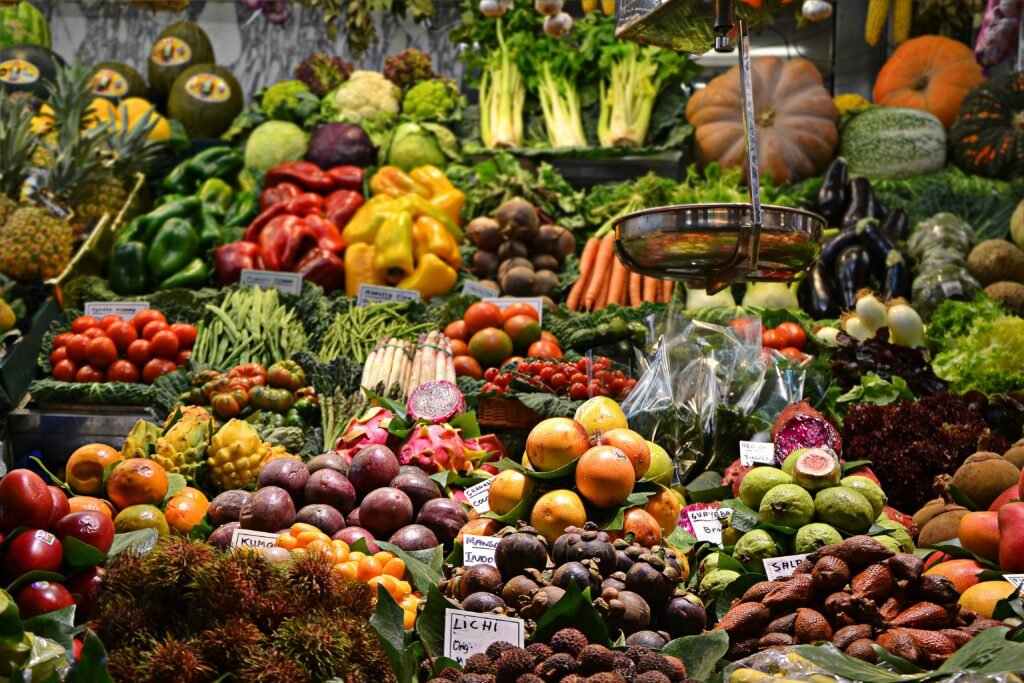
While medication and lifestyle changes play a significant role in managing symptoms of acid reflux or GERD, choosing foods that are GERD-friendly is one of the most important things that you can do that will make a huge difference in reducing acid reflux and promoting digestive comfort. Listed below are some GERD-friendly food that you can incorporate into your diet!
Whole grains are high in fiber which absorb stomach acid and reduce reflux symptoms. These complex carbohydrates also help keep you full longer which can prevent overeating (a common trigger for GERD).
- Oatmeal is a great source of fiber which helps absorb excess stomach acid and soothes the stomach. You can top it with reflux-friendly fruits like bananas and apples.
- Brown rice is low-acid and a fiber-rich complex carbohydrate which also helps reduce acid reflux symptoms.
- Whole wheat bread is a good choice as well. Sourdough bread is frequently recommended because of its long fermentation process that breaks down gluten and starches. This makes it easier to digest and reduces bloating, gas, and pressure on the stomach.
Plant-based protein sources contain less fat compared to red meat which are gentler for your stomach. These can help prevent acid build-up/neutralize stomach acid and promote digestion.
- Tempeh is a great option for low-acid plant-based protein. Because it is fermented, it is easier to digest and is also packed with probiotics that help improve gut health.
- Tofu is also a great low-fat plant-based protein best cooked by baking, steaming, or pan-searing with reflux-friendly herbs and seasonings.
- Soy milk is a great and safe choice because it is lower in fat and acid compared to dairy milk.
- Beans, peas, lentils are great sources for soluble fiber that help absorb excess stomach acid and aids digestion. Keep in mind that eating too much of these may cause gas or bloating.
- Almonds and walnuts are high in fiber that can help absorb stomach acid. However, they must be consumed in moderation since they are also high in fat. Choose raw and unsalted nuts.
Vegetables are naturally low in fat, rich in fiber, and alkaline-forming which help neutralize stomach acid and support digestion.
- Spinach has a high water and fiber content which aids in digestion and helps neutralize stomach acid. This tastes great when sautéed. You can also add it into smoothies for some extra greens in the morning.
- Kale is a great option when steaming or sautéing vegetables, but it is recommended to consume it in moderation. Too much of it can cause bloating and gas. This is due to its high content of insoluble fiber.
- Broccoli is another great veggie that is packed with vitamins and antioxidants and won’t trigger reflux symptoms. This is best prepared steamed, baked, or roasted.
- Cauliflower is a highly alkaline vegetable that helps promote healthy digestion and doesn’t trigger reflux symptoms. This is great when combined with other leafy greens and best prepared steamed or roasted.
- Brussels sprouts also help counteract high stomach acid levels. Keep in mind that this may cause bloating or gas in some individuals. This is due to its high fiber content and complex sugar (raffinose) which the human body cannot fully break down. Raffinose is also found in legumes, whole grains, and other veggies. To minimize discomfort, thoroughly cook them and eat smaller portions.
Low-acid fruits prevent the irritation of the esophagus.
- Bananas promote faster digestion due to their high pectin content and supports overall digestive health. I love putting it in pancakes, smoothies, and on top of oatmeals for a nutritious breakfast!
- Melons (specifically cantaloupe, honeydew, and watermelon) are great choices due to their high pH and water content which helps neutralize stomach acid.
- Apples are low-acid in nature. Choose the red, sweet apples which are less likely to trigger symptoms.
- Dates are great for managing acid reflux since they are low-acid, rich in fiber and potassium, and helps reduce inflammation in the digestive tract. Great for smoothies and oatmeals, too!
Healthy, unsaturated fats can help provide essential nutrients and soothe the digestive tract by reducing inflammation and promoting good gut bacteria without triggering symptoms of acid reflux. Consume these in moderation.
- Extra virgin olive oil helps coat the stomach lining and reduces inflammation. Other oils that are safe to use are sesame, canola, sunflower, and soybean oil.
- Avocado is a reflux-friendly ingredient for salads, sandwiches, and smoothies.
- Nuts (almond, walnuts, peanuts, cashews, and pistachios) are high in fiber that can help absorb stomach acid. However, they must be consumed in moderation since they are also high in fat. Choose raw and unsalted nuts.
Beverages
- Water will not only help to keep you hydrated, but it also helps to wash acid back down into the stomach.
- Chamomile tea contains compounds like chamazulene that can soothe inflammation in the esophagus. It also promotes relaxation which can decrease stress-induced acid reflux.
- Ginger tea aids in digestion and has natural anti-inflammatory properties.
What Are the Foods to Avoid? (GERD Triggers)
- Spicy foods such as chili, hot sauce, curry
- Acidic foods such as citrus fruits, tomatoes, vinegar
- Fried & fatty foods such as french fries, burgers, cream-based/high in sodium sauces (mayonnaise, BBQ sauce, etc.)
- Caffeinated & carbonated drinks such as coffee, soda, energy drinks
- Chocolate & peppermint
- Alcoholic beverages such as wine, beer, and distilled spirits
Practical Eating Tips to Remember!
Beyond food choices, your eating habits matter too. Check out the following tips to learn more.

- Eat smaller, more frequent meals. Larger meals expand your stomach which can put pressure on your lower esophageal sphincter, making it easier for acid to flow back up. Smaller meals, on the other hand, digest more quickly and reduce stomach pressure.
- Avoid lying down for at least 2–3 hours after eating. When you are in an upright position, gravity will help keep stomach contents down. This will help reduce nighttime heartburn and other symptoms.
- Maintain a healthy weight because excess abdominal fat can increase pressure inside the stomach and push the acid upward.
- GERD triggers can vary for each person. Keeping a food diary is a great way to identify personal triggers so that you can adjust your diet and manage symptoms more effectively.
Other Tips
- Elevating your head and upper body by using a wedge pillow while sleeping will help reduce nighttime reflux.
- Sleeping on your left side also helps because this positions the stomach lower than the opening of the esophagus, making it harder for the acid to flow back upward.
Acid reflux or GERD can be frustrating and disruptive, but the right diet makes a huge difference. By focusing on GERD-friendly food choices and avoiding common triggers like spicy, fatty, and acidic foods, you can manage your symptoms and help your body recover.
It’s important to remember that everyone’s body reacts differently, so please consult a healthcare professional for personalized support and guidance.